How to Maintain Your Results After Body Contouring Farmington Hills

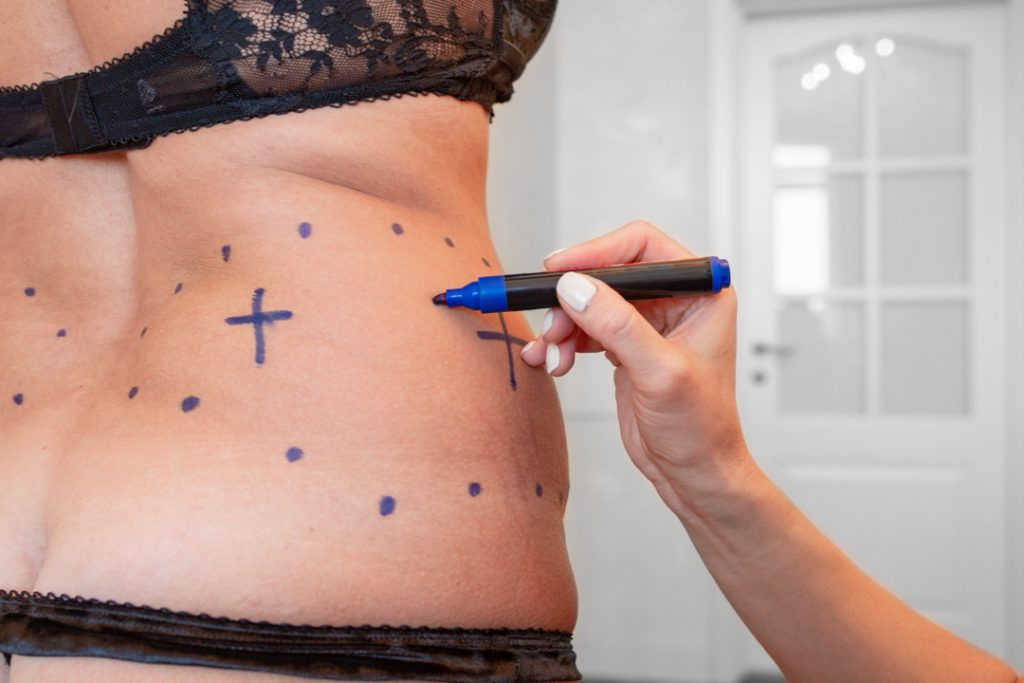

Body contouring can create a meaningful shift in how your clothes fit, how your shape looks in the mirror, and how you feel moving through daily life. What it cannot do is freeze your body in time. Results are real, but they are also influenced by the choices you make after treatment, the way your https://www.behance.net/ardwaterproof body heals, and the normal changes that come with age, hormones, stress, and routine.
That is why maintenance matters so much after Body Contouring Farmington Hills procedures. Whether your treatment was surgical or non-surgical, the early weeks are only the first stage. The long-term outcome depends on how well you support healing, manage weight fluctuations, stay active, and keep your expectations grounded in what body contouring is designed to do.
People are often surprised by this part. They assume the procedure is the hard part and that everything after is passive. In practice, the opposite is often true. The procedure creates the opportunity. Your habits protect the investment.
What “maintaining results” really means
Maintaining your result does not mean keeping the exact same number on the scale forever. It does not mean your abdomen, thighs, or arms will look identical five years from now. Bodies are dynamic. Muscle tone changes. Skin quality changes. Life changes.
What maintenance usually means is preserving the overall improvement in contour and proportion that your treatment created. If a person had stubborn fullness under the chin, around the waist, or along the flanks addressed, the goal is to keep that area from becoming distorted again by major weight gain, prolonged swelling, poor muscle tone, or neglect of general health.
This distinction matters because many patients judge themselves too harshly. They notice normal variation, maybe a few pounds after the holidays or mild bloating before a vacation, and assume they have undone everything. Usually, that is not the case. Significant regression is more often tied to bigger shifts, such as rapid weight cycling, loss of muscle mass, poor nutrition over time, or ignoring post-procedure guidance in the healing phase.
The first phase sets the tone
The maintenance process starts immediately after your procedure, not six months later when you are ready to “get serious.” Early recovery has an outsized impact on final results. Swelling, fluid retention, tissue settling, and skin retraction all happen on their own schedule. If you rush the process, you can end up frustrated, even if your body is actually healing normally.
Patients commonly want to assess results too soon. Around week two or three, many are still swollen, stiff, or uneven in ways that improve with time. Compression garments, walking, hydration, sleep, and follow-up visits may not feel glamorous, but they make a difference. In my experience, the people who do best long term are rarely the ones chasing shortcuts. They are the ones who respect the recovery timeline.
If your provider recommended lymphatic massage, activity restrictions, compression, scar care, or scheduled check-ins, follow those instructions closely. Personalized guidance matters more than generic internet advice. Two people can have the same procedure name and very different needs based on treatment area, extent of correction, medical history, and healing response.
Weight stability is the single biggest factor
If there is one principle that protects body contouring results better than any other, it is weight stability. Most contouring procedures target fat deposits, excess skin, or areas of disproportion. They are not substitutes for ongoing weight management.
A swing of five pounds is one thing. A gain of twenty, thirty, or more can visibly soften or distort the contour you paid to achieve. The body may not regain fat in exactly the same pattern as before, but a major increase in body fat can still affect treated and untreated areas alike. Clothes fit differently. Definition fades. Skin can stretch again.
This does not mean you need obsessive control. It means you need consistency. For most people, the best strategy is to find a realistic maintenance range rather than a single “perfect” number. A range of about five to ten pounds often feels manageable and allows for normal life. If you stay within that zone, you are far more likely to preserve the look of your results.
One practical pattern I see often is this: a patient does beautifully for several months, returns to old eating habits because they “look fine now,” then gradually gains enough weight that the result becomes harder to appreciate. It rarely happens in one dramatic leap. It happens through small daily drift, restaurant meals that become routine, less activity in winter, or a stressful season that turns into six months of neglect.
Nutrition matters more than perfection
You do not need a trendy diet to maintain body contouring results. You need a way of eating you can sustain without resentment. The fundamentals are boring, but they work. Eat enough protein to support tissue repair and muscle retention. Get regular fiber from vegetables, fruit, beans, and whole grains. Keep highly processed foods in a reasonable place rather than making them the backbone of your diet. Moderate alcohol, which can bring extra calories, worsen inflammation, and encourage poor food choices.
The more dramatic your efforts, the less likely they are to last. I have seen patients go from post-procedure discipline to rigid restriction, then swing right into rebound overeating. That cycle can be harder on the body, and on your contour, than a moderate plan that simply holds steady.
Hydration is another underappreciated piece. People hear “drink more water” so often that it starts to sound empty, but post-contouring bodies do tend to show the effects of sodium-heavy meals, dehydration, and inflammation. Puffiness around the midsection or lower body can make patients think fat is returning when they are actually dealing with fluid retention. Water alone is not magic, but good hydration supports circulation, digestion, activity, and recovery.
Exercise protects your result in two ways
Exercise helps maintain body contouring results first by supporting energy balance and second by improving the structure underneath the skin. That second point is easy to miss. A toned shape is not only about body fat. It is also about muscle.
When patients resume movement gradually and then build a sustainable routine, the result often looks better over time, not worse. The waist appears tighter when the core is stronger. The thighs look cleaner when leg muscles are conditioned. The arms tend to hold their shape better when triceps and shoulders are trained. Exercise cannot replicate the effect of contouring, but it can absolutely enhance it.
Cardio helps with endurance, heart health, and calorie expenditure. Resistance training preserves lean mass, which becomes especially important with age. If someone tells me they want to keep their contour as long as possible, I usually care less about whether they are doing a specific class and more about whether they move regularly and challenge their muscles consistently.
For most adults, a strong maintenance routine includes the following:
- Regular walking or other low-impact movement on most days
- Strength training at least two to four times per week
- Gradual progression rather than all-or-nothing bursts of effort
- Enough recovery, including sleep, so inflammation does not stay elevated
- A routine that still works during busy weeks, travel, and seasonal changes
Notice what is not on that list: punishment workouts, hours of cardio, or unrealistic schedules. The best exercise plan is the one you can continue in February, during a work deadline, and after a vacation.
Skin quality plays a larger role than many people expect
Fat reduction and tissue removal are only part of the visual picture. Skin has to drape over the new contour. When skin quality is strong, the result tends to read as smoother and firmer. When skin is loose, dry, sun-damaged, or slow to retract, even good fat reduction can appear less dramatic.
Age affects this. So do genetics, pregnancy history, sun exposure, smoking, and weight fluctuations. A patient in their thirties with resilient skin may bounce back differently than someone in their fifties who has had major weight loss. Neither outcome is wrong, but maintenance may look different.
To support skin quality, protect yourself from excessive sun exposure, avoid nicotine, stay hydrated, eat enough protein, and keep your weight stable. If your provider recommends topical products, radiofrequency maintenance, microneedling, or other skin-focused treatments, those may be worth considering depending on the area treated and your goals.
Patients sometimes focus so intensely on fat that they ignore the skin component. Then they become disappointed that the area is flatter but not as tight as they imagined. Maintenance sometimes means caring for the tissue quality, not just the scale.
Why smoking and nicotine work against your outcome
This point deserves direct language. Nicotine is hard on circulation, wound healing, and skin quality. It compromises blood flow, which matters tremendously during recovery and continues to matter afterward if you want your skin to age well and your tissues to remain healthy.
Even patients who avoid cigarettes but use vapes or nicotine pouches can run into trouble. Many assume the delivery method changes the risk enough to make it harmless in this context. It does not. From a healing standpoint, nicotine is still nicotine.
If you have gone through the effort and expense of Body Contouring Farmington Hills treatment, returning to nicotine can quietly chip away at the quality of your long-term result. This is one of those areas where the trade-off is not subtle.
Hormones, age, and medications can shift your shape
Sometimes patients do many things right and still notice changes over time. Menopause, thyroid issues, insulin resistance, certain antidepressants, corticosteroids, and other medications can alter weight distribution, appetite, fluid retention, or muscle mass. This does not mean your procedure failed. It means your body is responding to broader physiologic forces.
The best approach here is not self-blame. It is attention. If your habits have stayed fairly stable but your contour is changing anyway, it may be time to review medical factors with your primary care physician or specialist. A body contouring result lives inside the rest of your health. It is not separate from it.
This is especially true for women entering perimenopause or menopause. The midsection often becomes more resistant. Sleep may worsen. Recovery from exercise may slow. What worked at 35 may not work at 50. Maintenance sometimes requires updating your strategies rather than trying harder at outdated ones.
Compression garments and support wear, when they help and when they do not
Some patients love compression and continue wearing supportive garments long after the recommended recovery period. Others cannot wait to stop. Both reactions are common.
In the immediate healing phase, compression can be useful for swelling control, comfort, and tissue support if your provider prescribes it. Beyond that window, it is more of a personal tool than a requirement. It may help you feel comfortable in clothing or during prolonged standing, but it does not replace healthy habits. A garment can smooth your silhouette for the day. It cannot preserve your result if weight gain and inactivity are working against you.
There is also a psychological trap here. A patient may rely on shapewear to feel “maintained” while avoiding the more meaningful work of nutrition, strength, and follow-up care. Support wear has a place, but it should be supplemental.
Scars need attention, not panic
For patients who had surgical contouring, scar care is part of maintaining the aesthetic result. A well-placed scar that heals flat and fades over time usually becomes far less noticeable than patients fear in the early months. A neglected scar that stays inflamed or dark can draw unnecessary attention.
Scar maturation takes time, often many months to a year or more. Sun protection is essential. So is following your surgeon’s advice on silicone therapy, massage, or topical care if recommended. Do not compare a fresh scar to someone else’s one-year result. Scar healing is a long game.
Patients sometimes stop caring for scars the moment the incision closes. That is usually too early. The active remodeling phase continues long after the surface looks healed.
The value of follow-up appointments
Some of the most preventable disappointments happen because patients disappear after the procedure. They either assume everything is fine or they worry that their concern is too small to mention. A small issue addressed early may save a lot of frustration later.
Follow-up visits allow your provider to evaluate swelling, symmetry, scar development, fibrosis, skin retraction, and healing patterns that you may not be able to interpret on your own. They can also help distinguish between normal fluctuations and changes that call for intervention.
I have seen patients spend months worried about a “lump” that turned out to be typical post-treatment firmness, and others ignore clear signs that they were regaining weight in ways that would compromise their contour. Professional perspective matters.
Travel, holidays, and real life without losing control
The people who keep their results longest are rarely the most rigid. They are the most adaptable. They know how to handle a wedding weekend, a cruise, a Michigan winter, or a stressful quarter at work without turning a temporary disruption into a new baseline.
A few practical habits make a real difference:
- Weigh yourself or check your clothing fit often enough to notice drift early
- Resume your normal routine after indulgent events, rather than “starting Monday”
- Build meals around protein and produce when eating out
- Keep walking, even when your formal workouts slip
- Protect sleep when possible, because fatigue drives hunger and inactivity
That is not a perfection plan. It is a recovery plan. Maintenance is often less about never going off course and more about shortening the time it takes to return.
When touch-up treatments make sense
Sometimes maintenance includes additional treatment. That is not always a sign that something went wrong. It may reflect aging, changes in the skin, or a patient deciding they want a bit more refinement once the initial result settles.
Non-surgical touch-ups can make sense for mild areas of recurrent fullness or skin laxity. Surgical revision may occasionally be appropriate, but that is a bigger decision and should be approached carefully. The important thing is to understand the goal. A touch-up should solve a clearly defined problem, not chase perfection.
The patients happiest over the long term tend to have a balanced view here. They appreciate the improvement they achieved, maintain it well, and consider additional treatment only when the benefit is likely to justify the cost, downtime, and risk.
Expectations that support long-term satisfaction
Part of maintaining your result is maintaining the right lens. Body contouring can sharpen shape, reduce stubborn pockets, and improve proportion. It cannot make life stress disappear, stop the calendar, or create an entirely different body type.
Satisfaction is often strongest when patients judge their outcome by meaningful markers. Their pants fit better. Their jawline looks cleaner in photos. Their waist appears more balanced relative to their hips. They no longer fixate on one area every morning. Those are durable wins.
By contrast, dissatisfaction often grows when people scrutinize themselves under harsh bathroom lighting, compare themselves to heavily edited images, or expect treatment to compensate for ongoing lifestyle patterns that are not aligned with maintenance. A good result deserves realistic stewardship.
A practical way to think about the next year
If you want your Body Contouring Farmington Hills results to last, think in seasons rather than days. Ask yourself whether your overall pattern this month supports the contour you wanted, not whether one dinner or one missed workout ruined anything. It almost never does.
The first three months are about healing, swelling, patience, and adherence to instructions. The next three to six months are about settling into stable habits, especially movement and nutrition. After that, the focus shifts to consistency, annual check-ins if needed, and handling life transitions without major backsliding.
This perspective helps patients stay calm. Maintenance is not dramatic. It is not a cleanse, a challenge, or a crash plan. It is a collection of ordinary decisions repeated often enough that your body holds onto the improvement.
Body contouring can change your silhouette, but your routines preserve it. That is the part worth respecting.
Aesthetic Plastic Surgery & Laser Center, Michelle Hardaway M.D.
Address: 27920 Orchard Lake Rd, Farmington Hills, MI 48334
Phone number: +12482211957
FAQ About Body Contouring Farmington Hills
What does body contouring actually do?
Body contouring (or body sculpting) eliminates stubborn localized fat, tightens loose, sagging skin, and reshapes your silhouette. It is not a weight-loss tool, but rather a cosmetic procedure used to refine and tone specific trouble spots after major weight loss, pregnancy, or aging.
How much does body contouring usually cost?
The total cost of body contouring usually ranges from $2,000 to $25,000+ depending entirely on whether you choose non-surgical sessions or major surgical procedures.
Because "body contouring" covers everything from simple fat-freezing to comprehensive post-weight-loss surgeries, pricing is heavily categorized by the method used.
What is the best type of body contouring?
Liposuction is a huge topic and worth discussing in more detail, but in terms of body contouring and sculpting, nothing does the job better than liposuction, particularly VASER liposuction.